How to Build a Preventive Maintenance Schedule for Fontana Warehouse and Distribution Fleets
A missed maintenance appointment can leave your Fontana warehouse fleet stranded during a busy delivery run. Learn how to build a preventive maintenance schedule using mileage, engine hours, inspections, and dispatch planning to reduce downtime and keep trucks moving.
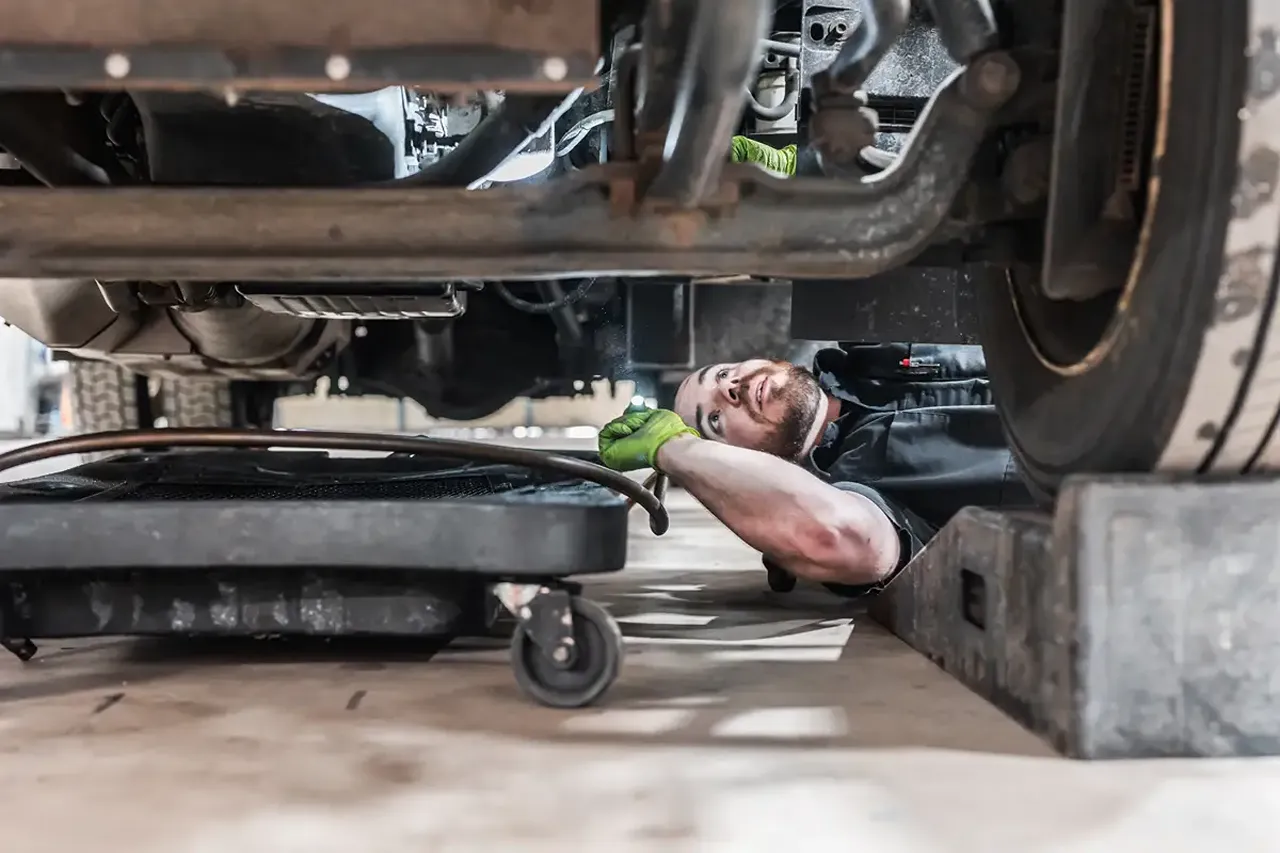
A box truck breaks down halfway through its delivery route, leaving your warehouse scrambling to rearrange shipments. The problem isn't always neglected maintenance; sometimes, it's a schedule that doesn't match how your vehicles operate. For effective fleet maintenance in Fontana, CA, you need service intervals based on actual workloads, vehicle conditions, and delivery demands.
How Does Your Fleet's Workload Affect Maintenance Scheduling?
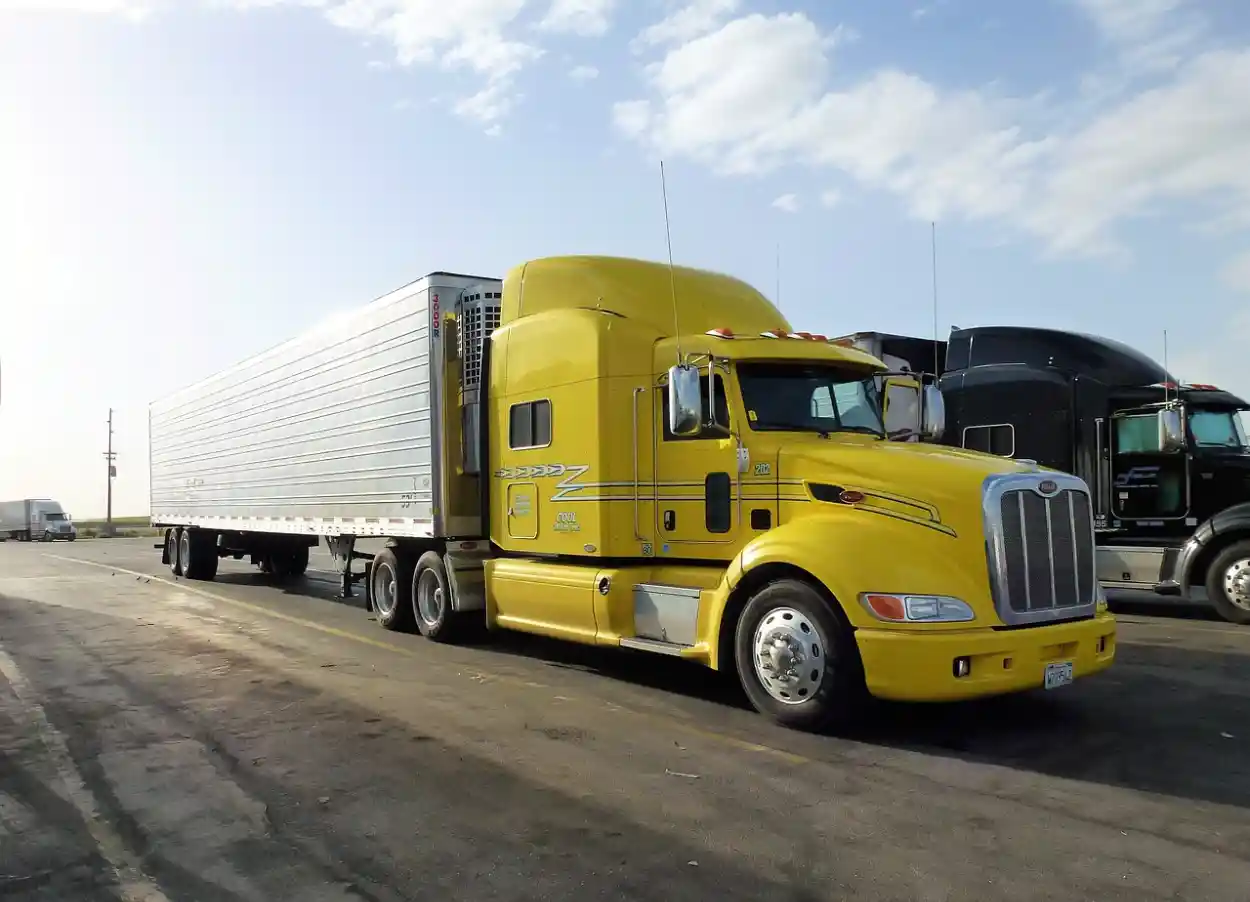
Not every truck in your fleet experiences the same wear. A Class 8 tractor-trailer hauling freight along I-10 faces different operating conditions than a medium-duty box truck making repeated deliveries around South Fontana.
Before developing a truck preventive maintenance schedule, examine how each vehicle operates throughout the week.
Consider three common fleet applications:
- Class 8 tractor-trailers: Prioritize engine hours, highway mileage, air brakes, drivetrain components, tires, and emissions systems.
- Medium-duty box trucks: Focus on braking systems, cooling performance, batteries, electrical components, and wear caused by frequent stops.
- Warehouse distribution trailers: Monitor brakes, tires, lighting, suspension, air lines, and coupling equipment.
For warehouse fleet maintenance, operating conditions matter as much as mileage. A truck that spends hours idling near loading docks may accumulate relatively few miles while placing significant demands on its engine.
Start by documenting each vehicle's mileage, engine hours, previous repairs, and assigned routes. These details help you establish maintenance priorities rather than treating every vehicle identically.
How Do You Build a Preventive Maintenance Schedule?
An effective preventive fleet maintenance Fontana program combines manufacturer service recommendations with actual usage patterns and inspection findings.
Your schedule should organize maintenance around several recurring checkpoints.
1. Before Each Vehicle Enters Service
Drivers should inspect their vehicles before beginning a delivery route.
Important checks include:
- Tire condition and visible damage
- Brake operation and air-system warnings
- Exterior lights and reflectors
- Visible fluid leaks
- Mirrors and windshield condition
- Trailer connections and coupling equipment
These checks help identify problems before a truck leaves the warehouse. They also support applicable driver inspection responsibilities.
2. Daily Defect Reporting
Drivers should report safety-related defects discovered during operation, following applicable inspection-reporting requirements.
A recurring air leak, abnormal vibration, or warning light deserves attention before it becomes a larger problem.
Your maintenance team should review reported defects, determine whether the vehicle remains safe to operate, and arrange necessary repairs.
3. Weekly Maintenance Reviews
Set aside time each week to examine outstanding repair orders, upcoming inspections, and recurring mechanical complaints.
A centralized maintenance system can help you identify vehicles approaching service deadlines.
For example, if several trucks operating along Valley Boulevard develop recurring tire problems, review inflation practices, loading conditions, and tire wear patterns before scheduling additional repairs.
4. Mileage-Based and Engine-Hour Services
Schedule engine oil changes, filter replacements, lubrication, and drivetrain servicing according to manufacturer recommendations.
Consider operating severity when determining service frequency.
A truck handling short delivery runs with frequent idling may need a different maintenance strategy than a tractor operating primarily at highway speeds.
5. Planned Mechanical Inspections
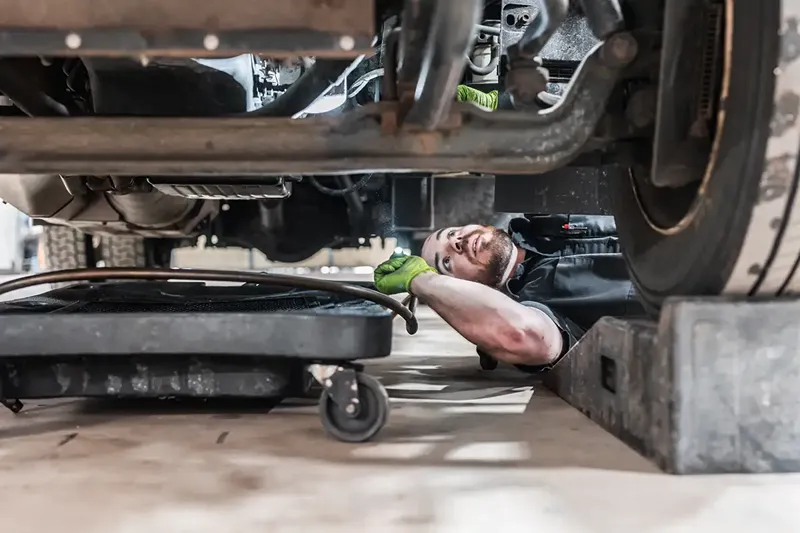
Schedule detailed inspections of brakes, steering, suspension, cooling systems, and electrical components during planned downtime.
Include trailers in these appointments rather than focusing exclusively on powered vehicles.
This approach helps you detect developing problems without repeatedly interrupting dispatch operations.
Which Truck and Trailer Components Need the Most Attention?
Reliable commercial truck maintenance requires more than changing engine oil. Several systems deserve close attention because failures can create safety risks and unexpected downtime.
Brakes and Air Systems
Heavy-duty trucks commonly use compressed-air braking systems.
Technicians should inspect brake components, air lines, chambers, and related equipment for leaks, damage, and excessive wear. Brake performance and adjustment must remain within applicable safety standards.
For box trucks making frequent deliveries, stop-and-go driving makes brake condition particularly important.
Tires and Suspension
Inspect tire inflation, tread condition, unusual wear patterns, and visible sidewall damage.
Suspension problems can contribute to uneven tire wear and poor vehicle handling.
Include trailer suspension components, wheel ends, and tires in your inspection program.
Engines and Cooling Systems
Engine cooling systems deserve special attention following Fontana's hot summer months.
Check coolant condition, hoses, radiators, water pumps, and fan operation according to manufacturer procedures.
An unresolved cooling problem can become a costly breakdown when a truck encounters heavy traffic along I-10 or I-15.
Diesel Emissions Components
For diesel fleet maintenance Inland Empire operations, monitor diesel particulate filters, exhaust gas recirculation components, and selective catalytic reduction systems.
Address emissions-related warning lights promptly. Delaying diagnostics can create additional maintenance problems and complicate emissions compliance.
What FMCSA and California Maintenance Requirements Apply?
Your maintenance schedule should distinguish mandatory inspections from routine servicing.
Under FMCSA 49 CFR 396.3, covered motor carriers must systematically inspect, repair, and maintain vehicles under their control.
For vehicles controlled for 30 consecutive days, required maintenance records generally include vehicle identification, scheduled maintenance activities, and completed inspection and repair information.
These records must generally be retained for one year while the vehicle remains under the carrier's control and for six months afterward.
Under 49 CFR 396.17, covered commercial motor vehicles, including applicable trailers, must pass a periodic inspection at least once every 12 months.
California also requires compliance with applicable CARB Clean Truck Check rules.
The program generally covers non-gasoline heavy-duty vehicles exceeding 14,000 pounds GVWR that operate on California roads, subject to exemptions.
In 2026, most covered vehicles require emissions compliance testing every six months. Fleet managers should check individual deadlines through CARB's CTC-VIS system and allow time for necessary repairs and retesting.
Clean Truck Check does not replace preventive servicing or federal periodic vehicle inspections.
How Can Fontana Warehouses Schedule Maintenance Without Disrupting Deliveries?
The biggest challenge often isn't identifying needed repairs. It's finding time to complete them.
Successful fleet inspections Fontana planning starts with coordination between your maintenance team and dispatch operations.
Consider these practical scheduling strategies:
- Identify low-utilization periods. Review dispatch patterns to find days or shifts when individual trucks can be removed from service.
- Rotate maintenance appointments. Avoid pulling several vehicles from the same delivery operation simultaneously.
- Combine compatible services. Schedule oil changes, inspections, and minor repairs during one planned appointment whenever practical.
- Track vehicle availability. Maintain a centralized calendar showing service dates, inspection deadlines, and expected downtime.
- Keep contingency capacity. Where feasible, plan for backup equipment when essential vehicles require unexpected repairs.
For warehouse operations in South Fontana, these practices can help minimize disruptions to loading schedules and delivery commitments.
Keep dispatchers informed whenever a vehicle requires additional repair time.
Why Should You Review Maintenance Schedules in October?
October offers an opportunity to review vehicle condition before potential increases in late-year retail distribution activity.
Start by checking unresolved cooling-system complaints following the Inland Empire's summer heat.
Next, examine overdue inspections, recurring defects, tire conditions, and outstanding maintenance work.
If your fleet expects additional deliveries during the holiday shipping season, reserve maintenance appointments before dispatch schedules become crowded.
Not every warehouse experiences the same seasonal demand, so base your decisions on expected freight volumes and actual vehicle availability.
Keep Your Fontana Fleet Ready for Every Delivery
Effective preventive maintenance means servicing each vehicle according to its operating conditions, inspection findings, and manufacturer recommendations. When you coordinate those services with warehouse dispatch schedules, you can reduce unexpected downtime and improve fleet reliability.
For dependable truck and trailer maintenance in Fontana, call 909-355-8587 to speak to our team at JB Fleet Solutions. Located at 14962 Valley Boulevard, we provide truck and trailer repairs, preventive maintenance, and DOT inspections to help keep commercial fleets operating safely.
FAQs
How often should commercial trucks receive preventive maintenance?
Maintenance frequency depends on manufacturer recommendations, mileage, engine hours, operating conditions, and inspection findings. There is no universal service interval suitable for every commercial truck.
Are annual DOT inspections required for warehouse distribution trailers?
Yes, trailers covered by 49 CFR 396.17 must generally pass a periodic inspection at least once every 12 months. The inspection requirement applies separately to applicable tractors and trailers.
How can warehouse fleet managers reduce unexpected truck breakdowns?
Use manufacturer-based service intervals, daily defect reporting, regular mechanical inspections, and centralized maintenance records. Schedule repairs before identified problems develop into equipment failures.
Does California require emissions testing for diesel fleet trucks?
California's Clean Truck Check generally applies to diesel and other covered non-gasoline vehicles above 14,000 pounds GVWR. Most covered vehicles require testing twice per year in 2026, with individual deadlines available through CTC-VIS.
What information should a fleet maintenance record include?
A maintenance record should identify the vehicle, scheduled services and due dates, completed inspections, and repair history. Tracking mileage, engine hours, recurring defects, and operating assignments also helps fleet managers plan future service.