Key Systems to Inspect on Fontana Fleets After a Long Inland Empire Summer
This article highlights essential post-summer truck maintenance for Fontana fleets, focusing on cooling systems, brakes, tires, batteries, and trailer components to prevent breakdowns and prepare for increased freight demand.
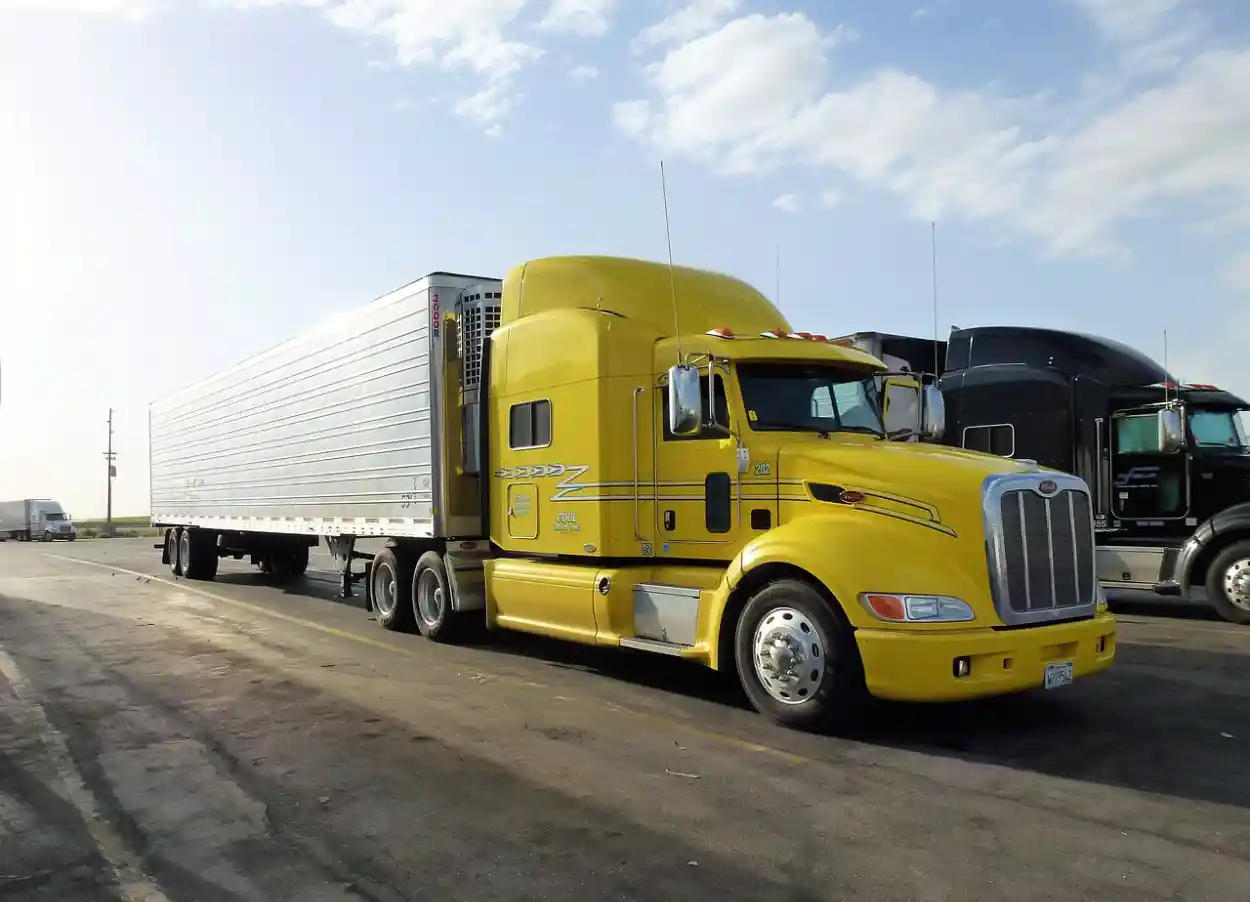
Months of Inland Empire heat, freeway mileage, idling, and distribution work can leave hidden wear behind. Here are the cooling, electrical, brake, tire, wheel-end, and trailer systems Fontana fleets should inspect before late-year freight demand ramps up.
A Class 8 tractor can survive months of Inland Empire heat without overheating once and still roll into October with brittle hoses, a weakened battery, or a wheel-end issue waiting to surface. That is the trouble with summer wear: getting through August does not mean every component came through unharmed.
For Fontana fleets, October is a practical time to uncover accumulated heat, mileage, vibration, and distribution-duty wear before those small problems become breakdowns on I-10 or I-15.
Why Does a Post-Summer Fleet Inspection Matter in Fontana?
Fontana sits at the crossroads of I-10, I-15, and SR-210, making the city an important Inland Empire supply-chain hub. The city's Southwest Industrial Park is heavily oriented toward trucking facilities, warehouses, distribution centers, and truck storage.
That combination can give tractors, refrigerated trucks, regional delivery vehicles, and vocational equipment a demanding routine: yard maneuvering, extended idling, trailer swaps, repeated stops, loaded freeway travel, and high annual mileage. A post-summer truck inspection helps you find components that survived peak heat but may no longer have much service margin left.
What Should You Check in the Cooling System After Summer?
Start with the cooling system. Coolant carries heat away from the engine, while the radiator and cooling fan help release that heat to the surrounding air.
A truck running slowly through an industrial area or stop-and-go freight traffic also depends heavily on proper fan operation because it gets less natural airflow through the radiator than it does at freeway speed.
Your inspection should include:
- Coolant level and condition
- Radiator condition and signs of restriction or damage
- Hoses, clamps, and connections
- Belts and tensioners
- Cooling fan and fan-clutch operation
- Expansion tank and pressure cap
- Water-pump leakage
- Evidence of previous overheating or coolant loss
Don't wait for a dramatic temperature spike. Slight seepage, hardened hoses, a worn belt, or marginal fan-clutch operation may first appear as a nuisance and later become the reason a loaded truck is sitting on the shoulder of I-10.
Can Summer Heat Weaken Batteries and Charging Systems?
Yes. A truck may crank normally today while a weakened battery, loose ground, or high-resistance electrical connection is already developing underneath the surface.
Check the batteries, terminals, cables, grounds, starter operation, and alternator output. Your charging system inspection should also include connection points for looseness, corrosion, and signs of excessive heat.
This matters for warehouse and distribution fleets because repeated starts, long idle periods, auxiliary electrical loads, and frequent daily cycles keep the electrical system busy. Catching a weak connection during scheduled service beats finding it when a driver has a no-start at a loading dock.
How Should Tires and Wheel Ends Be Inspected After Heavy Summer Mileage?
A Fontana truck running I-10 and I-15 can accumulate plenty of highway miles while also spending time turning tightly through yards and loading areas. Those two operating conditions can reveal different forms of tire wear.
Inspect tire pressure, tread depth, uneven wear patterns, cuts, bulges, exposed material, and valve stems. Then move inward to the wheel, hub seals, and wheel-end inspection points that could indicate lubrication loss, overheating, or developing bearing trouble.
Bearings depend on proper lubrication to control friction and heat. Leakage, unusual wheel-end temperature, noise, or excessive play deserves attention before the truck returns to a high-mileage route.
What Should You Inspect in the Air Brake System?
Heavy loads and repeated stops make brakes a core post-summer inspection item, but the concern is not simply hot weather. Urban freight movement, traffic, repeated braking, and loaded operation all increase the importance of keeping the air brake system in proper condition.
Inspect:
- Brake linings or pads
- Drums or rotors
- Brake adjustment
- Slack adjusters
- Chambers
- Air hoses and lines
- Air leaks
- Contamination around friction components
- Trailer brake condition
On air-brake-equipped trucks, compressed air moves through the system to actuate the brake assemblies. Leaks, wear, poor adjustment, or damaged components can interfere with reliable braking long before the driver experiences an obvious failure.
Which Electrical Connections Need Post-Summer Attention?
Heat is only part of the electrical story. Vibration, trailer hookups, repeated starts, long idling periods, and everyday warehouse work can loosen or damage connections over time.
Check wiring for brittle insulation, chafing, heat damage, loose grounds, corroded terminals, faulty lighting connections, damaged sensor wiring, and worn trailer plugs. A careful electrical system inspection can uncover intermittent faults before they turn into warning lights, charging problems, or trailer-light failures.
Pay particular attention to connection points that get handled frequently. Trailer electrical pigtails live a much rougher life than protected wiring tucked inside the cab.
Why Inspect Belts, Hoses, and Other Rubber Components?
Rubber parts rarely get the attention that engines, brakes, or tires receive, yet one inexpensive failure can sideline an otherwise healthy tractor.
Look for cracking, glazing, swelling, hardening, soft spots, frayed belt edges, and loose clamps. If a belt or hose looks questionable after months of high-temperature operation, investigate it now rather than gambling on another freight cycle.
What Trailer Components Should Fontana Fleets Inspect?
A proper trailer inspection matters just as much as tractor maintenance. That is especially true for distribution operations where drivers regularly hook to different trailers.
Inspect trailer brakes, tires, wheel ends, lighting, ABS connections, electrical pigtails, air lines, and coupling components. Trailer swaps can introduce an important blind spot: your tractor may be meticulously maintained, but today's trailer may have arrived with wear you did not create and have not yet documented.
For refrigerated operations, work the trailer into your overall preventive-maintenance routine rather than treating it as an afterthought.
How Does California BIT Fit Into Post-Summer Preventive Maintenance?
A seasonal inspection should supplement your normal preventive maintenance schedule, not replace it. California's Basic Inspection of Terminals program requires covered carriers to ensure regulated vehicles receive periodic inspections at least every 90 days—or more frequently when necessary for safe operation—and maintain documentation of those inspections.
Minimum inspection areas include brake adjustment, brake-system components and leaks, steering and suspension systems, tires and wheels, and vehicle connecting devices.
A post-summer review fits naturally into a systematic maintenance program, particularly when fleet duty cycles justify looking at additional cooling, electrical, and trailer components.
What Should Fontana Fleet Managers Prioritize This October?
October is not about preparing Fontana trucks for a harsh winter. It is about checking what months of Inland Empire summer operation may have left behind.
Prioritize cooling-system condition, batteries and charging, wiring and rubber parts, tires, wheel ends, brakes, and trailer systems.
For trucks leaving the Southwest Industrial Park, moving through the Slover Avenue industrial area, and heading toward I-10 or I-15, correcting accumulated wear before busy late-year freight schedules can prevent a small maintenance issue from becoming an expensive roadside event.
Keep Post-Summer Wear From Becoming an I-10 Breakdown
Summer does not have to end with a breakdown before it leaves evidence behind. A structured Fontana fleet inspection gives you a chance to find weakened cooling components, electrical faults, tire and wheel-end wear, brake problems, and trailer defects while the equipment is still in the yard.
For post-summer inspections, preventive maintenance, and tractor-trailer service in Fontana, call 909-355-8587 and speak to a member of our team at JB Trailer Service to have your fleet evaluated before accumulated wear starts disrupting your routes.
FAQs
What systems should Fontana fleets inspect first after summer?
Start with the cooling system, batteries and charging system, tires and wheel ends, brakes, electrical wiring, belts and hoses, and trailer components. These areas can reveal wear associated with heat, mileage, vibration, repeated braking, and distribution-duty operation.
Can a truck have cooling-system problems without overheating?
Yes. Small coolant leaks, aging hoses, weakened belts, radiator issues, or marginal fan-clutch operation may exist before the engine experiences a full overheating event. An inspection can identify those developing conditions earlier.
Why should trailers receive a separate post-summer inspection?
Trailers have their own brakes, tires, wheel ends, ABS connections, lighting, air lines, electrical connections, and coupling hardware. Fleets that frequently swap trailers can also encounter defects on equipment that was maintained under a different service history.
How often do California BIT-regulated vehicles need periodic inspections?
California CHP guidance states that regulated vehicles must be inspected at least every 90 days, or more frequently when necessary to ensure safe operation. Inspection records must also be documented and retained as required.
.webp)
.webp)